
FARM MACHINE
Rotary Tiller / Rotary Cultivator
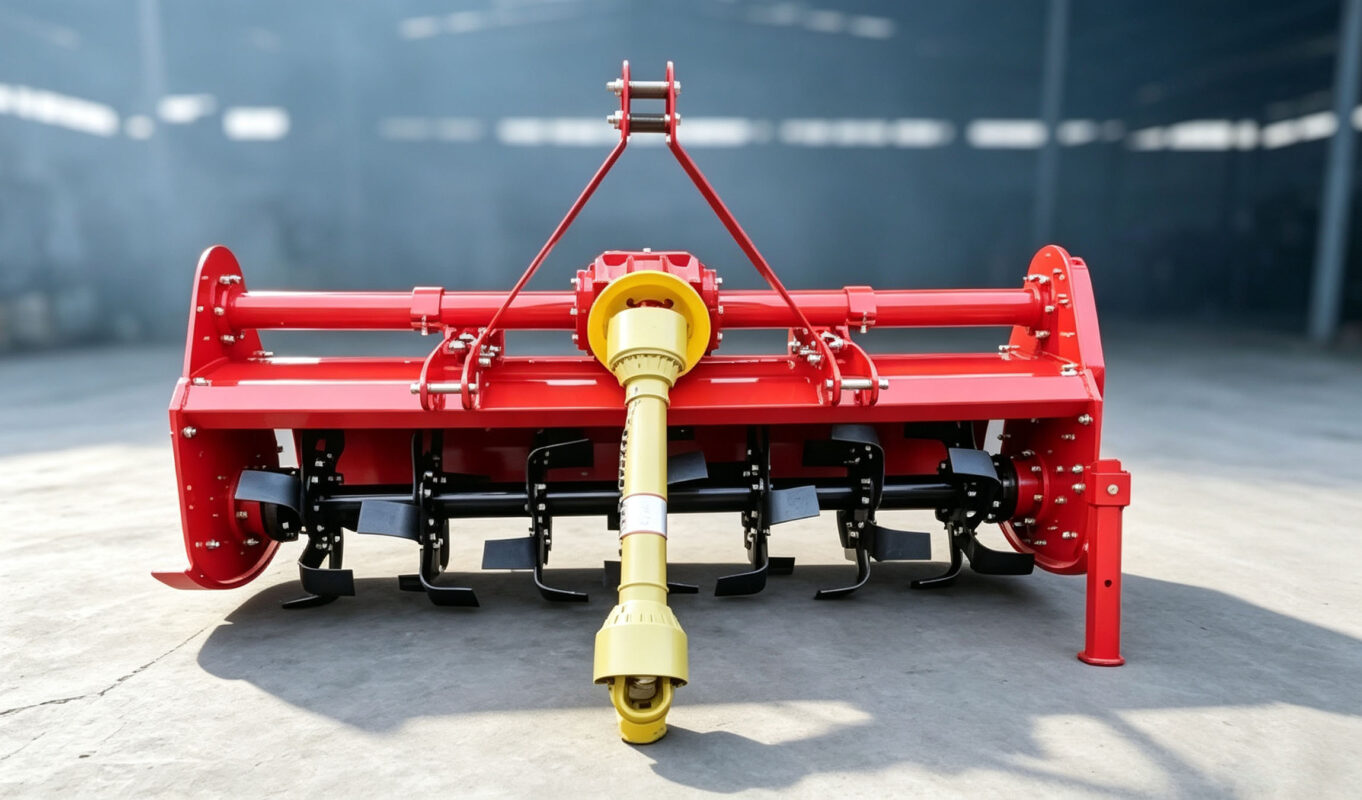
Essential Farm Equipment for Efficient Soil Preparation
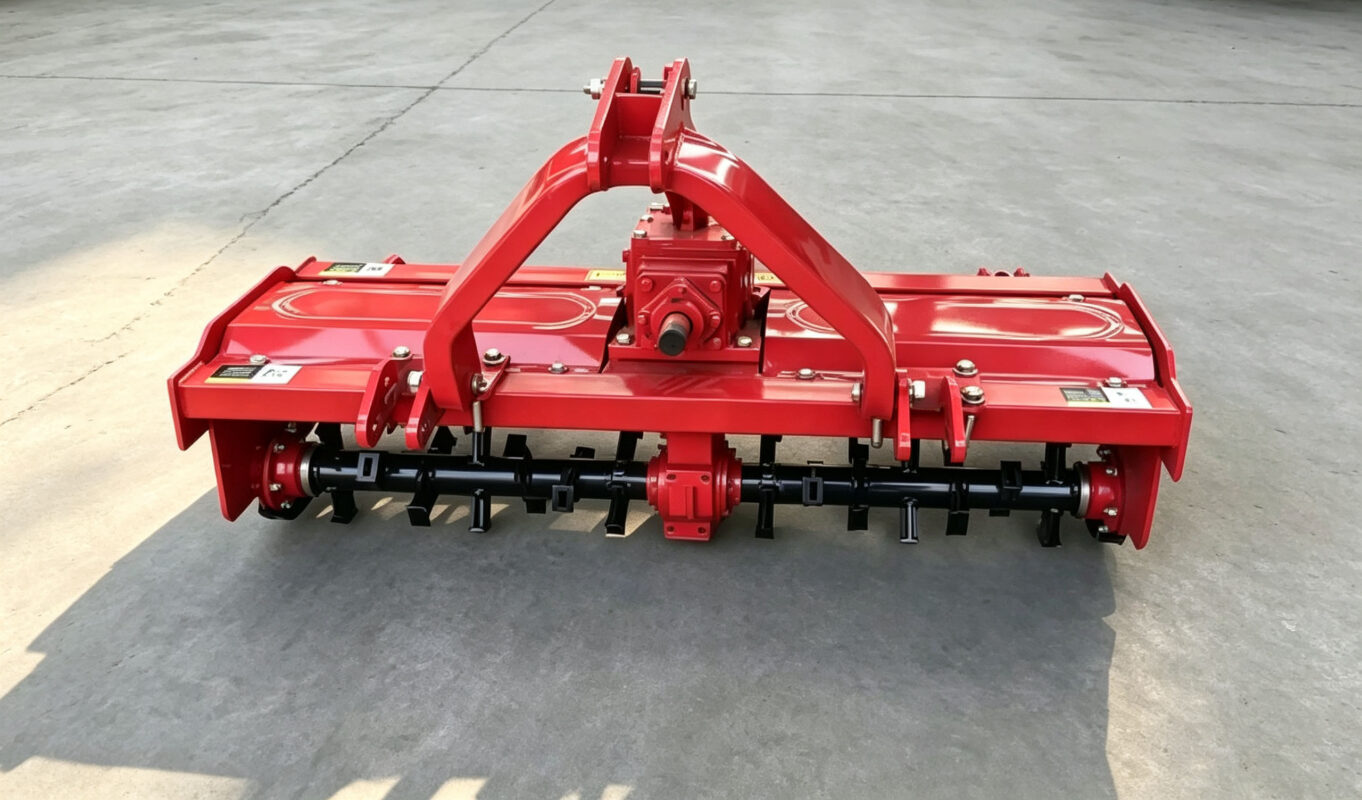

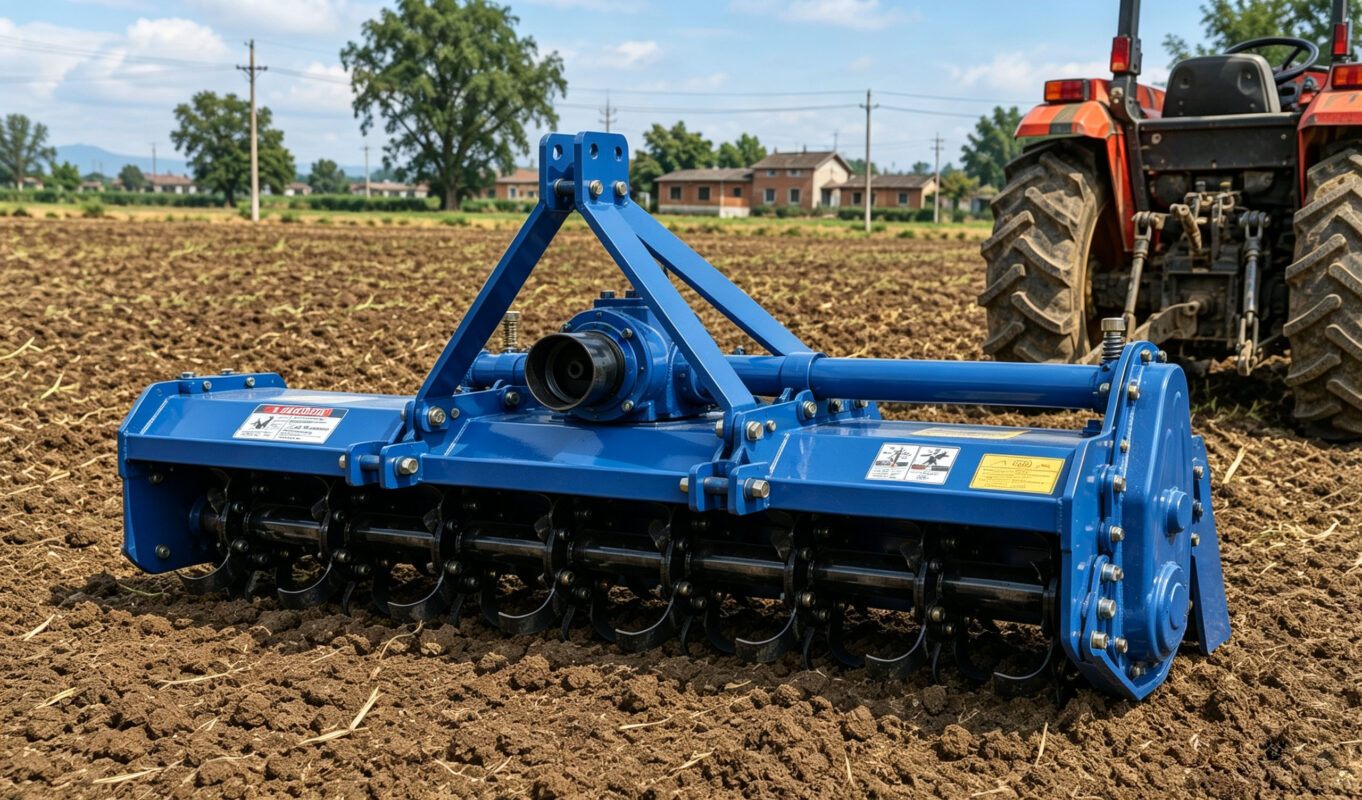
Introduction
A rotary tiller is one of the most widely‑used agricultural implements mounted on tractors, designed to break up, loosen and mix soil for crop planting. Also known as a rotavator, this powerful farming tool replaces traditional ploughing and harrowing work, helping farmers cut down working hours while preparing high‑quality seedbeds for farmland. Whether for dry‑land farming or paddy‑field cultivation, a well‑built rotary tiller greatly improves overall field‑working efficiency.
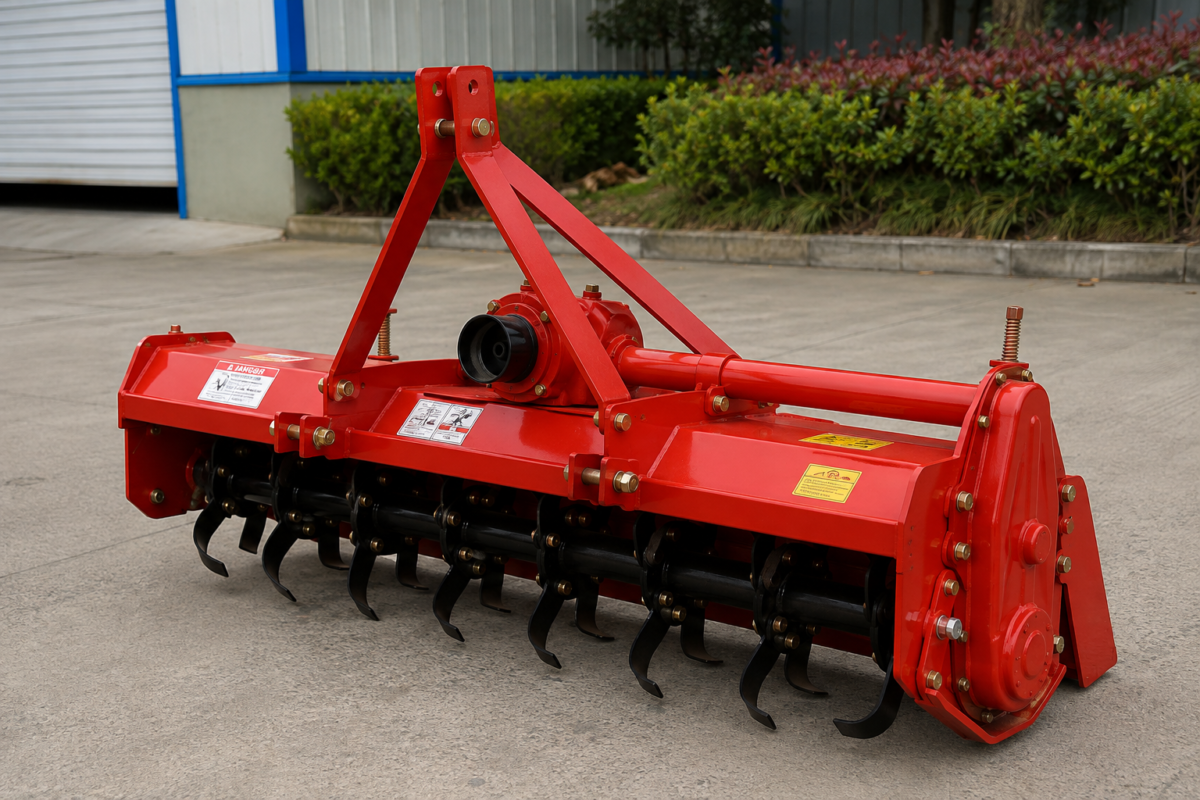
How Does a Rotary Tiller Work
Power is transferred from the tractor to the rotary tiller through a PTO shaft. Driven by this power, multiple sharp rotary blades spin rapidly. The rotating blades chop soil clods, cut crop residues and root stubbles, and mix organic matter evenly into the ground. In one single pass, this machine finishes soil turning, crushing and leveling tasks. Unlike separate plow and harrow operations, it combines multiple soil‑preparation steps into one run across the field.
Rotary tiler data sheet
| Parameter Item | QN-30 | QN-50 | QN-80 | QN-100 | QN-120 |
| Matched Tractor Power | 30 HP | 50 HP | 80 HP | 100 HP | 120 HP |
| Working Width | 1500 mm | 1800 mm | 2300 mm | 2600 mm | 3000 mm |
| Standard Tilling Depth | 120–160 mm | 120–180 mm | 140–180 mm | 140–200 mm | 150–200 mm |
| Total Machine Weight | 210 kg | 265 kg | 330 kg | 390 kg | 460 kg |
| Blade Type | 245 Standard Curved Blade | 245 Standard Curved Blade | 260 Thickened Curved Blade | 260 Thickened Curved Blade | 260 Reinforced Curved Blade |
| Quantity of Blades | 30 pcs | 36 pcs | 46 pcs | 52 pcs | 60 pcs |
| Rotor Shaft Rated Speed | 200 r/min | 190 r/min | 175 r/min | 165 r/min | 155 r/min |
| Transmission Mode | Gear Drive | Gear Drive | Gear Drive | Gear Drive | Gear Drive |
| Working Efficiency | 3–4 Mu/h | 4–5 Mu/h | 6–7 Mu/h | 7–9 Mu/h | 9–11 Mu/h |
| Overall Dimension (L×W×H) | 1400×1750×900 mm | 1450×2050×950 mm | 1500×2550×980 mm | 1520×2850×1000 mm | 1550×3250×1020 mm |
Key Benefits of Using a Rotary Tiller
- High Working Efficiency It completes soil tillage in one operation, greatly cutting field‑working cycles. Farmers can save fuel, labor and time compared with using separate ploughs and harrows. Large‑width rotary tiller models suit large‑scale farmland for mass soil preparation.
- Superior Soil Preparation Result Rotary blades crush hard soil blocks into fine, loose topsoil. It mixes straw and crop stubble into soil, supporting soil fertility improvement. The finished seedbed offers ideal loose conditions for seed germination and root growth.
- Wide Application Scenarios Rotary tillers fit diverse farmland conditions, including rice paddies, vegetable plots, grain‑crop fields and orchards. Different blade types and working‑depth settings adapt to different soil textures and farming requirements.
- Simple Tractor Matching & Easy Maintenance Most rotary tillers adopt standard three‑point linkage structure, easy to mount and dismount from common farm tractors. Core wearing parts such as tiller blades are easy to replace for daily equipment maintenance.
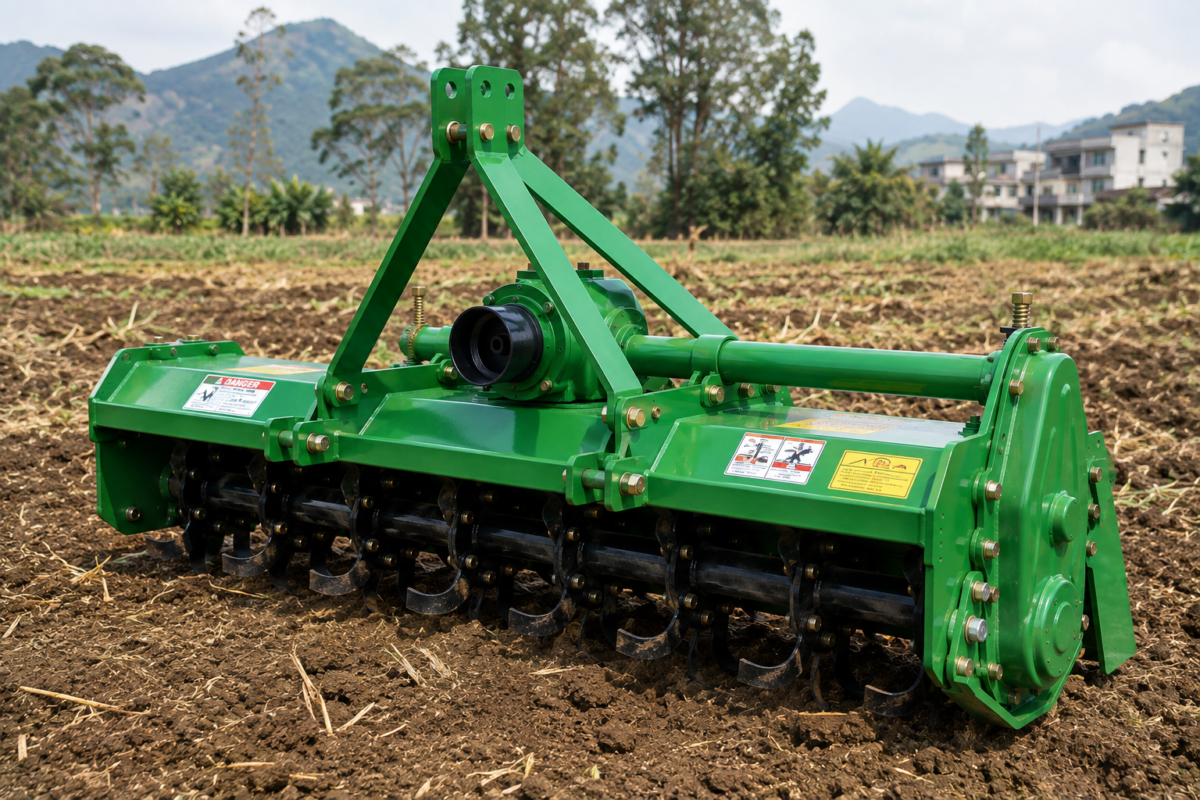
Main Parts of a Rotary Tiller
- PTO Drive Shaft: Transmits power output from the tractor.
- Gearbox: Distributes power to drive the rotary blade shaft.
- Rotary Blades: Core working components to cut, churn and crush soil.
- Three‑point Hitch Frame: Connects the whole implement to the tractor.
- Rear Cover Shell: Controls soil crushing effect and surface leveling.
Buying & Usage Tips
When selecting a rotary tiller, match the working width to your tractor power. Operators should strictly follow operation manuals: check blade tightness before work, adjust proper tilling depth, and conduct regular lubrication and part inspection. Timely replacement of worn blades keeps stable tillage performance and extends machine service life.
Conclusion
For modern small‑to‑large‑scale farms, the rotary tiller remains an irreplaceable soil‑preparation implement. It balances high efficiency, reliable performance and flexible adaptability for different farming scenarios. Investing in a quality rotary tiller helps optimize land‑preparation workflows and supports better crop yields.